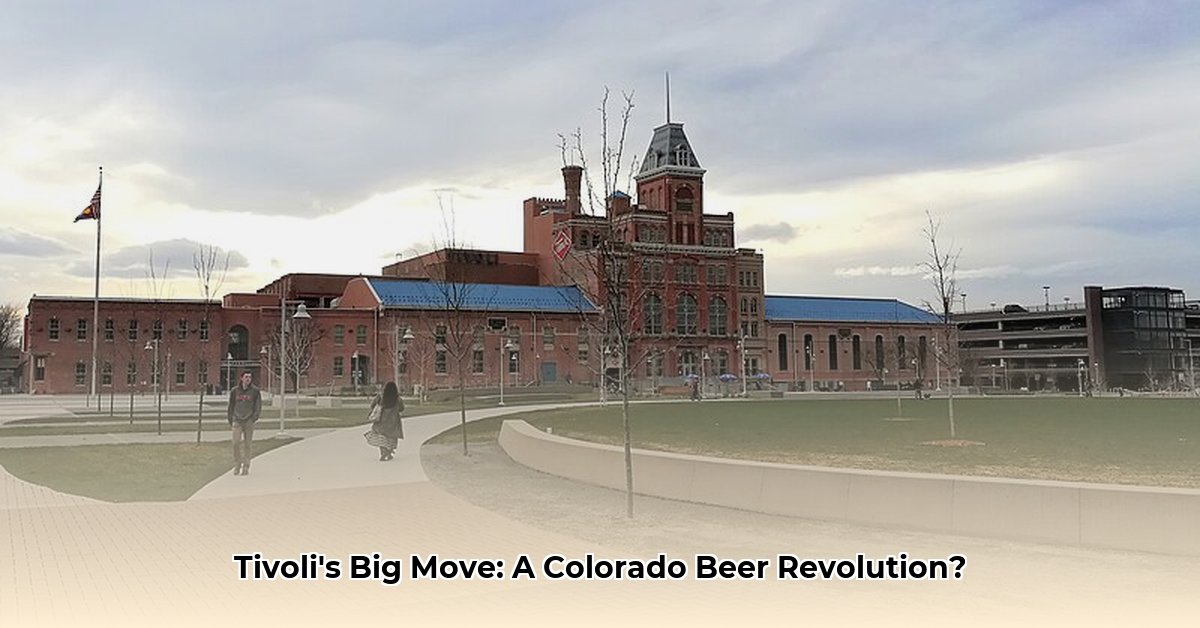
A New Chapter on the Eastern Plains
Tivoli Brewing Company's move from Denver's bustling Auraria neighborhood to the quieter town of La Junta, Colorado, wasn't just a relocation; it was a strategic pivot in the competitive Colorado craft beer market. This unexpected decision reflects a broader industry trend: the need for adaptation and cost-efficiency in an increasingly crowded landscape. Is this a gamble? Absolutely. But could it be a high-reward one? The data suggests it could. Let's examine Tivoli's strategic move and its implications for the future of Colorado craft beer.
The Colorado Craft Beer Boom: A Double-Edged Sword
Colorado's craft beer industry is a powerhouse, attracting entrepreneurs and drinkers alike. But this very success has fostered intense competition, particularly in established areas like Fort Collins, home to industry giants Odell Brewing Company and New Belgium Brewing Company. This dominance makes it challenging for smaller breweries to secure shelf space, capture customer attention, and maintain profitability.
Crooked Stave Artisan Beer Project's decision to close its Fort Collins taproom exemplifies the difficulties faced by smaller players. Rising costs – ingredients, rent, labor – further exacerbate the pressure. However, the success of breweries like Second Dawn Brewing demonstrates that innovation and effective marketing can still yield success in this crowded market. Tivoli’s move suggests a different path to success: prioritizing efficiency and broader distribution over a hyper-local, taproom-focused model.
Why La Junta? A Calculated Risk
Tivoli's decision wasn't impulsive; it was a strategic calculation. La Junta offers significantly lower operating costs compared to Denver: real estate, utilities, and labor are all likely more affordable, directly improving profitability. Additionally, La Junta presents an opportunity to expand production capacity, brewing more beer at a lower cost per unit. This is more than cost-cutting; it’s strategic repositioning. It’s a bet on a different type of growth, prioritizing efficiency, distribution, and wider market reach over a strictly localized approach.
Tivoli's Strategy: A Case Study in Adaptation
Tivoli's actions offer a valuable lesson in market adaptation. They haven't abandoned their Denver taproom; it remains a crucial brand element. But by centralizing production and distribution in La Junta, they're creating a more sustainable business model. This mirrors strategies employed by many breweries—streamlining production, focusing on wholesale distribution, and finding creative cost-cutting measures without compromising quality. The risks are inherent – entering a new community and market presents its own challenges – but the potential rewards – improved profitability and expanded market reach – are substantial. How will they compete in a different market? Only time will tell.
The Future: A Look Ahead
Tivoli's relocation offers a glimpse into the future of Colorado's craft beer industry. We can anticipate continued industry evolution, marked by consolidation, adaptation, and a growing emphasis on efficiency. Smaller breweries will need to differentiate themselves through creative marketing, unique beer styles, or a commitment to hyper-local sourcing. Established brands must continually adapt and innovate to keep pace with evolving consumer tastes and intensifying competition. Tivoli's story underscores the resilience and creative problem-solving required for success in this dynamic market.
Key Takeaways: Tivoli's Move and Its Implications
- Market Saturation: The Colorado craft beer market is saturated, especially in major cities. Breweries must differentiate themselves to survive.
- Cost Efficiency: Lower operating costs, as seen in Tivoli's move to La Junta, are crucial for profitability in a competitive market.
- Strategic Relocation: Relocating to a less saturated market can offer significant advantages, but requires careful planning and execution.